
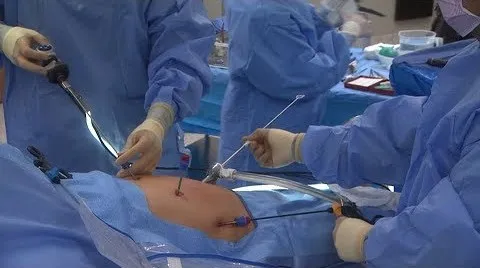
Unfortunately, in about 80% of cases stomach cancer develops silently, without symptoms, for a long time. It is usually found at an early stage only by chance during check-ups. Sometimes it causes complaints similar to an ulcer or gastritis.
Our services
- Diagnosis
- Surgical treatment
- Oncological counselling
Symptoms
Once the tumour reaches a certain size, these symptoms may appear:
- Feeling full early without being hungry
- Nausea, vomiting and loss of appetite
- Weight loss and anaemia
- Abdominal pain
- Hidden or visible bleeding
- Difficulty swallowing
Treatment
The main treatment for stomach cancer is surgery. Part or all of the stomach is removed, depending on where the cancer is. Nearby lymph nodes are also removed and sent for pathology. When the whole stomach is removed, the oesophagus is joined to the start of the small intestine to keep the digestive tract continuous. This changes eating habits for a while, but the body adapts over time. Some patients receive additional treatment such as radiotherapy or chemotherapy after surgery.
Frequently asked questions
Who has a higher risk of stomach cancer?
People whose first- or second-degree relatives had stomach cancer, especially before age 50; workers in mining, textiles, metal, paint, chemicals, rubber and petroleum; people who have had part of the stomach removed; people with cellular changes such as stomach polyps, intestinal metaplasia or atrophic gastritis; and people with obesity.
How is stomach cancer diagnosed?
The most effective test is endoscopy, which shows the inside of the stomach directly and allows tissue samples to be taken from suspicious areas. Endoscopic ultrasound and CT are used to see how far the disease has spread.
How is stomach cancer treated?
The main treatment is surgery. Depending on where the cancer is, part or all of the stomach is removed together with nearby lymph nodes. Some patients also receive chemotherapy or radiotherapy.
What follow-up is needed after treatment?
Patients are checked regularly – every 3–6 months for the first two years, then some tests are repeated yearly.
The information on this website is for general information only and does not replace an examination or medical advice. Please consult your doctor for diagnosis and treatment.