
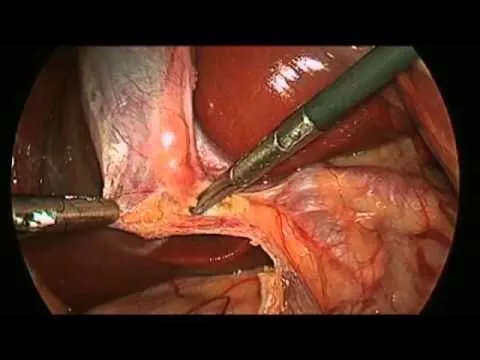
The gallbladder is a small organ under the liver that stores bile, which helps digest fats. Gallstones are common and can cause repeated attacks of pain, inflammation or blockage of the bile ducts. The standard treatment is to remove the gallbladder with keyhole (laparoscopic) surgery.
Symptoms of gallbladder disease
- Pain in the upper right abdomen or upper stomach, especially after fatty meals
- Pain spreading to the back or right shoulder
- Nausea, vomiting, bloating and indigestion
- Fever and chills (with an inflamed gallbladder)
- Yellowing of the skin and eyes and dark urine (with a blocked bile duct)
Some gallstones cause no symptoms and are found by chance on an ultrasound done for another reason.
Diagnosis
The most common test is an abdominal ultrasound. When needed, blood tests (liver and pancreatic enzymes), MR cholangiography or CT are used to assess the bile ducts and nearby organs. Gallbladder polyps are also found on ultrasound; depending on their size, they are monitored or removed.
Laparoscopic cholecystectomy (keyhole gallbladder surgery)
In a laparoscopic cholecystectomy, the gallbladder is removed with a camera through three or four small openings in the abdomen. The operation is done under general anaesthetic and usually takes 45–60 minutes.
Main advantages:
- Less pain
- Shorter hospital stay and faster recovery
- Lower risk of incisional hernia thanks to small incisions
- Better cosmetic result
- Earlier return to work and daily life
Appendix removal (appendectomy), inguinal hernia repair, examination of the abdominal organs (exploratory laparoscopy), and stomach and bowel operations are also performed laparoscopically.
Recovery after surgery
- Patients can walk and start drinking fluids a few hours after surgery.
- Most go home the same day or the next day.
- Desk work can usually be resumed within a week.
- Heavy lifting and intense exercise should wait 3–4 weeks.
- Small, frequent, low-fat meals make digestion easier in the first weeks.
Contact your doctor promptly if you develop fever, worsening abdominal pain, jaundice or redness at the wound.
When is surgery needed?
Surgery is recommended for patients with pain attacks, gallbladder inflammation, stones in the bile duct, jaundice or pancreatitis. Gallstones without symptoms and small polyps are often monitored with regular ultrasound. We make the decision together, based on your examination and test results.
Frequently asked questions
Will my digestion change after gallbladder removal?
The liver keeps producing bile, which then flows directly into the intestine. Most people return to a normal diet quickly; avoiding very fatty food for the first few weeks is advised.
How long does keyhole gallbladder surgery take?
The operation usually takes 45–60 minutes. Most patients go home the same day or the next day.
Should gallstones without symptoms be operated on?
Gallstones without symptoms can often be monitored. Surgery is recommended after pain attacks, inflammation, jaundice or pancreatitis, and for some types of polyp. The decision is based on examination and ultrasound findings.
The information on this website is for general information only and does not replace an examination or medical advice. Please consult your doctor for diagnosis and treatment.